Jewelry has always been more than decoration—it is a reflection of culture, wealth, and personal identity. From the earliest civilizations, gold was prized for its rarity, durability, and radiant glow. Even today, gold remains the foundation of fine jewelry, available in different purities and colors such as yellow, white, and rose. Each variation offers a unique aesthetic: yellow gold for timeless warmth, white gold for modern elegance, and rose gold for romantic charm. Customers often choose gold not only for its beauty but also for its investment value, as it retains worth across generations.
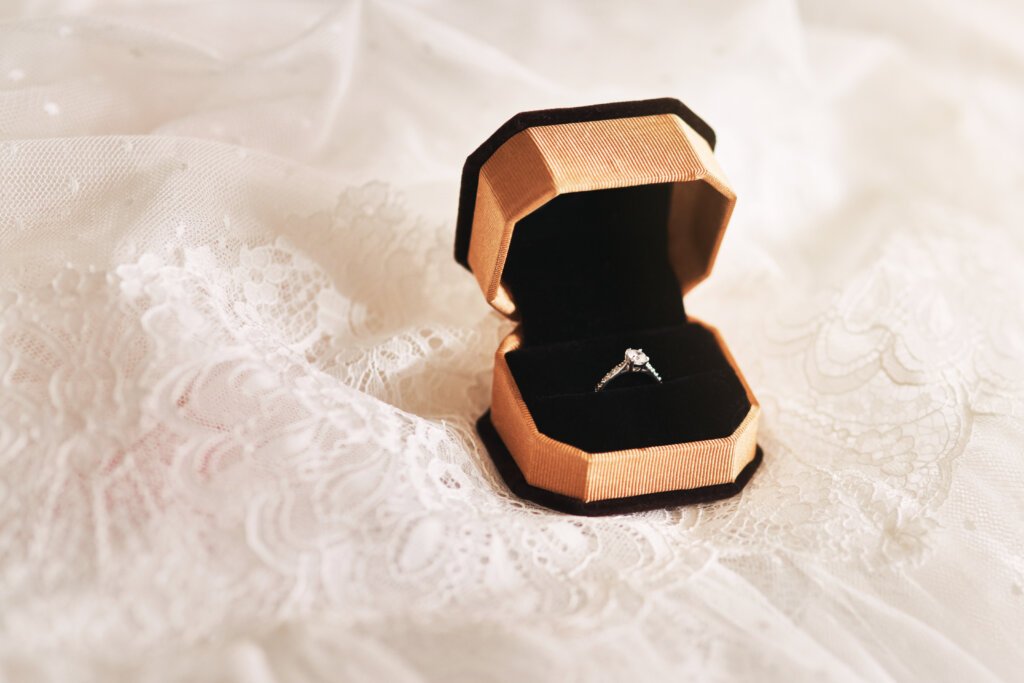
Diamonds, on the other hand, represent the pinnacle of luxury. Known as the “king of gemstones,” diamonds are celebrated for their brilliance, hardness, and symbolism of eternal love. They are most commonly associated with engagement rings, but in 2026, designers are expanding their use into bold chokers, earrings, and even pinky rings. Understanding diamonds involves more than just admiring their sparkle; buyers should be aware of the “Four Cs”—cut, color, clarity, and carat weight—which determine both the beauty and value of each stone. This knowledge empowers customers to make informed choices when selecting diamond jewelry.
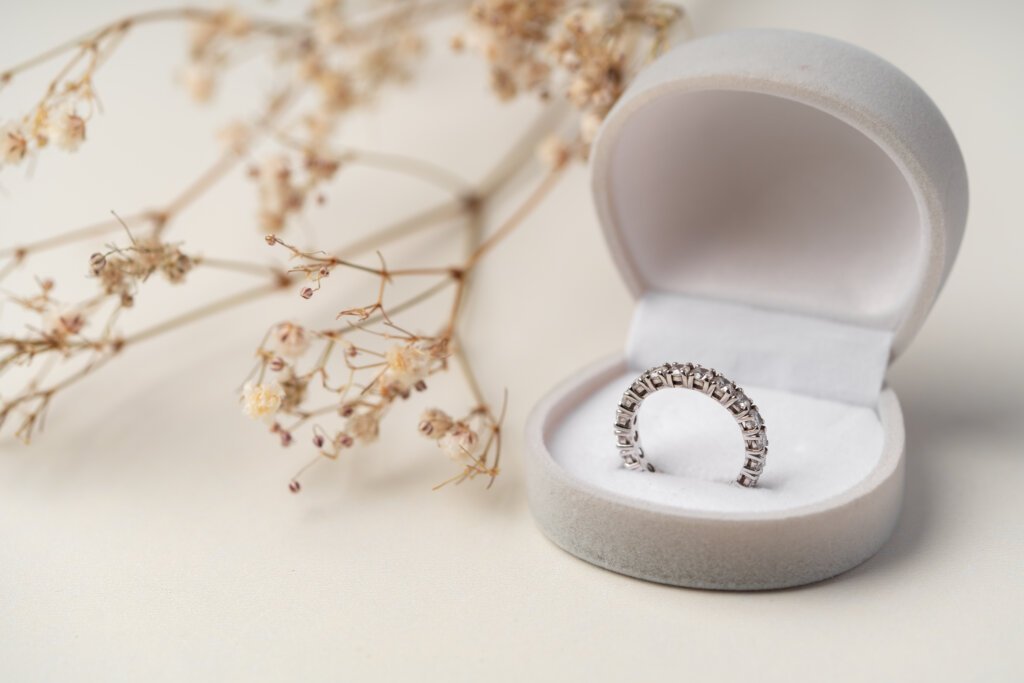
Beyond gold and diamonds, the world of jewelry encompasses a wide range of materials and gemstones. Silver, once considered secondary, has become a fashion favorite thanks to its affordability and versatility, especially in chunky, sculptural designs. Platinum, rarer and more durable than gold, is often chosen for high‑end engagement rings and luxury watches. Meanwhile, colorful gemstones such as emeralds, sapphires, and rubies are gaining popularity for their individuality and symbolic meanings. Each stone carries a story—emeralds symbolize renewal, sapphires wisdom, and rubies passion—making them ideal for customers who want jewelry that resonates with their personal journey.

Finally, contemporary jewelry design is embracing non‑traditional materials and experimental combinations. Lucite, leather, beads, and sea‑inspired motifs like shells and coral are being incorporated into collections, offering playful alternatives to classic metals and stones. These pieces may not hold the same investment value as gold or diamonds, but they provide customers with fresh ways to express creativity and individuality. Whether you are drawn to the timeless elegance of gold, the brilliance of diamonds, or the vibrant personality of gemstones, understanding the different types of jewelry helps you appreciate their unique qualities and choose pieces that truly reflect your style.